
Technology

A hybrid heat system that optimizes every second

Step 1: Build flexibility

Heat generation

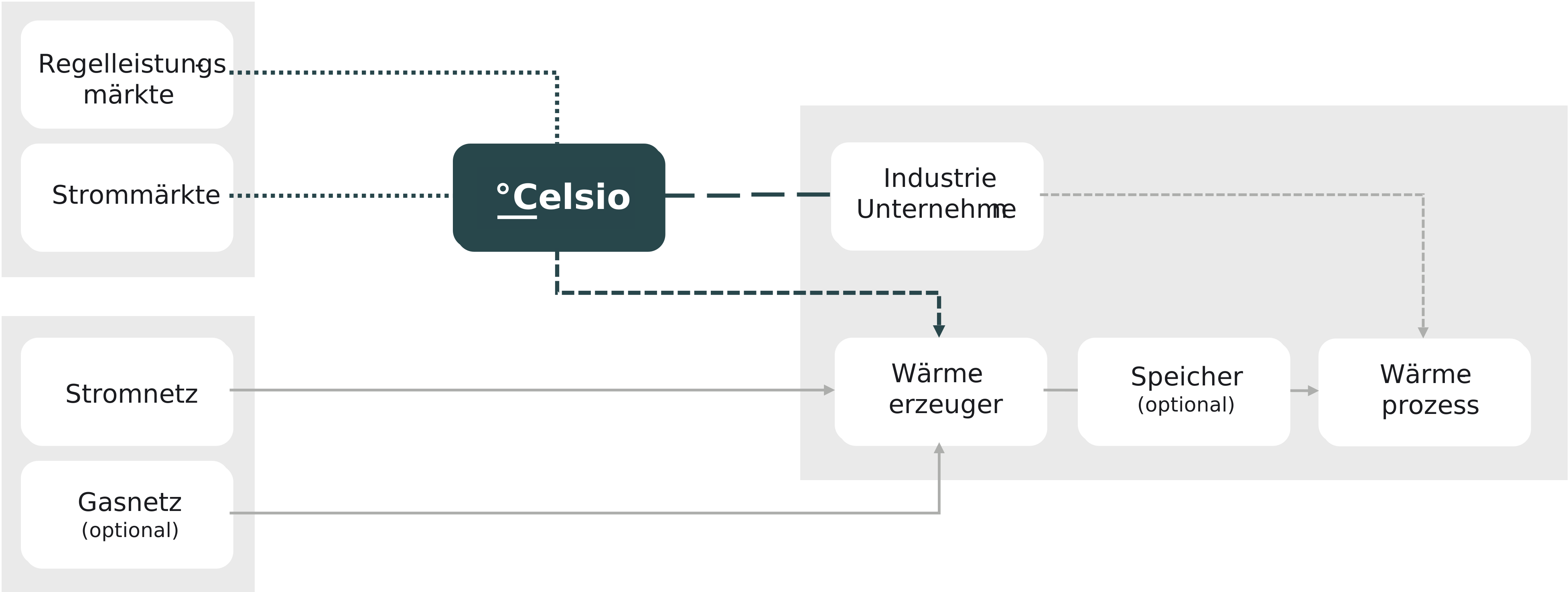
Systemschaubild: Strom- und Regelleistungsmärkte, Celsio-Steuerung, Wärmeerzeuger, optionaler Speicher und Wärmeprozess

Heat-intensive industries

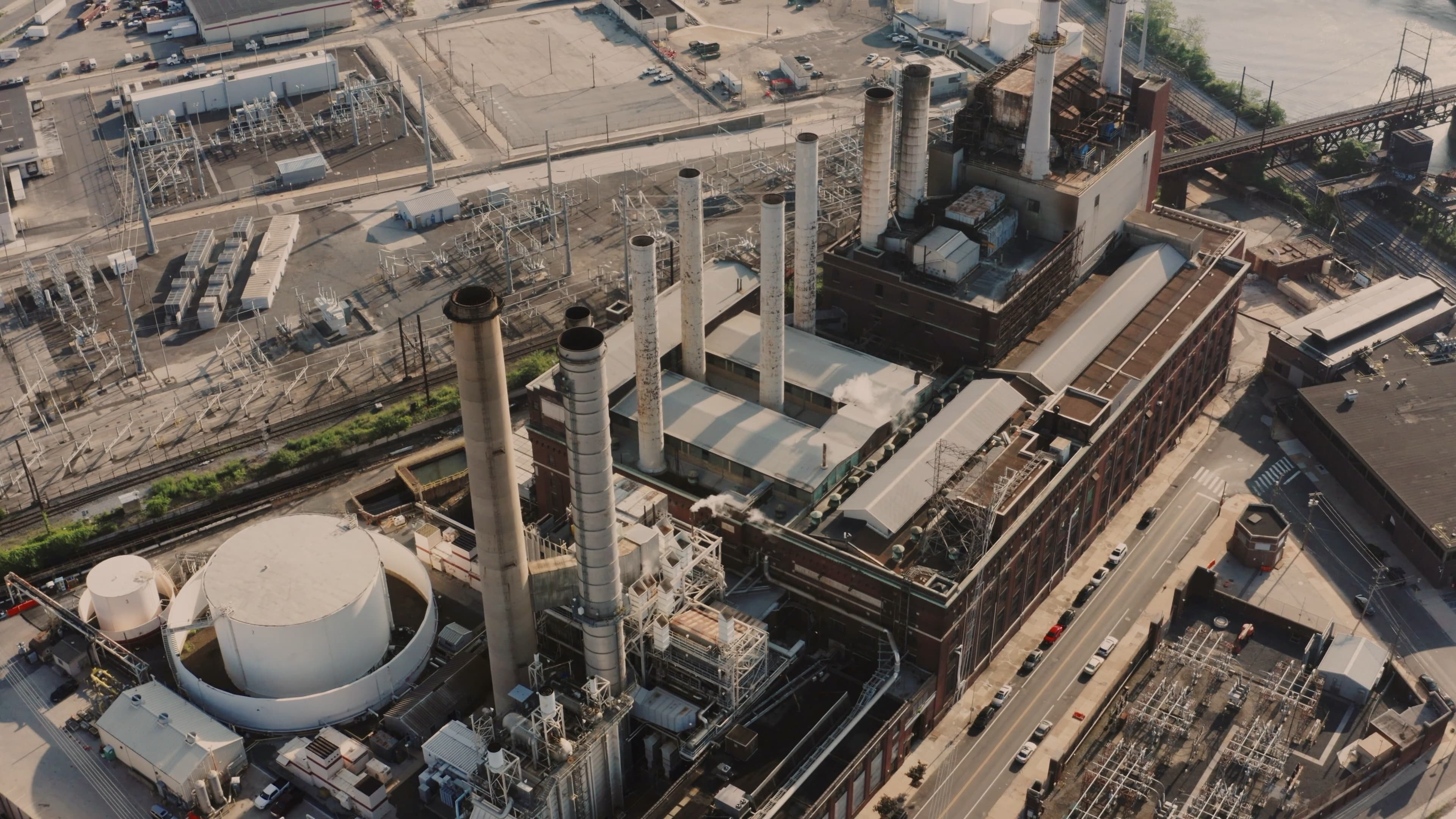
In energy-intensive sectors such as chemicals, paper and food, a large share of energy demand goes into industrial process heat. It is usually delivered as hot water, steam or thermal oil and is central to processes such as drying, distillation and brewing.
The gas-based status quo

Industrial heat generation runs mostly on natural gas, typically through gas boilers. Larger sites also use steam or gas turbines, often in combined heat and power (CHP). These systems are built for efficiency and security of supply. The first source of revenue is already here: turbines can be run optimized against the power markets.

Electric heat

Together with established boiler manufacturers and plant builders, Celsio extends the existing system with an electric boiler (power-to-heat), or retrofits one you already have. The result is a hybrid heat system that can switch between power and gas depending on current energy prices.

Storage

The hybrid system can optionally be extended with thermal storage or batteries to raise flexibility and the share of electrification further. Celsio integrates the storage into the system as a whole, together with specialist partners.

Step 2: Unlock the revenue

Power and balancing markets

As an electricity supplier, Celsio takes on power procurement, market participation and optimization for your flexible assets in full.

Windows of cheap power

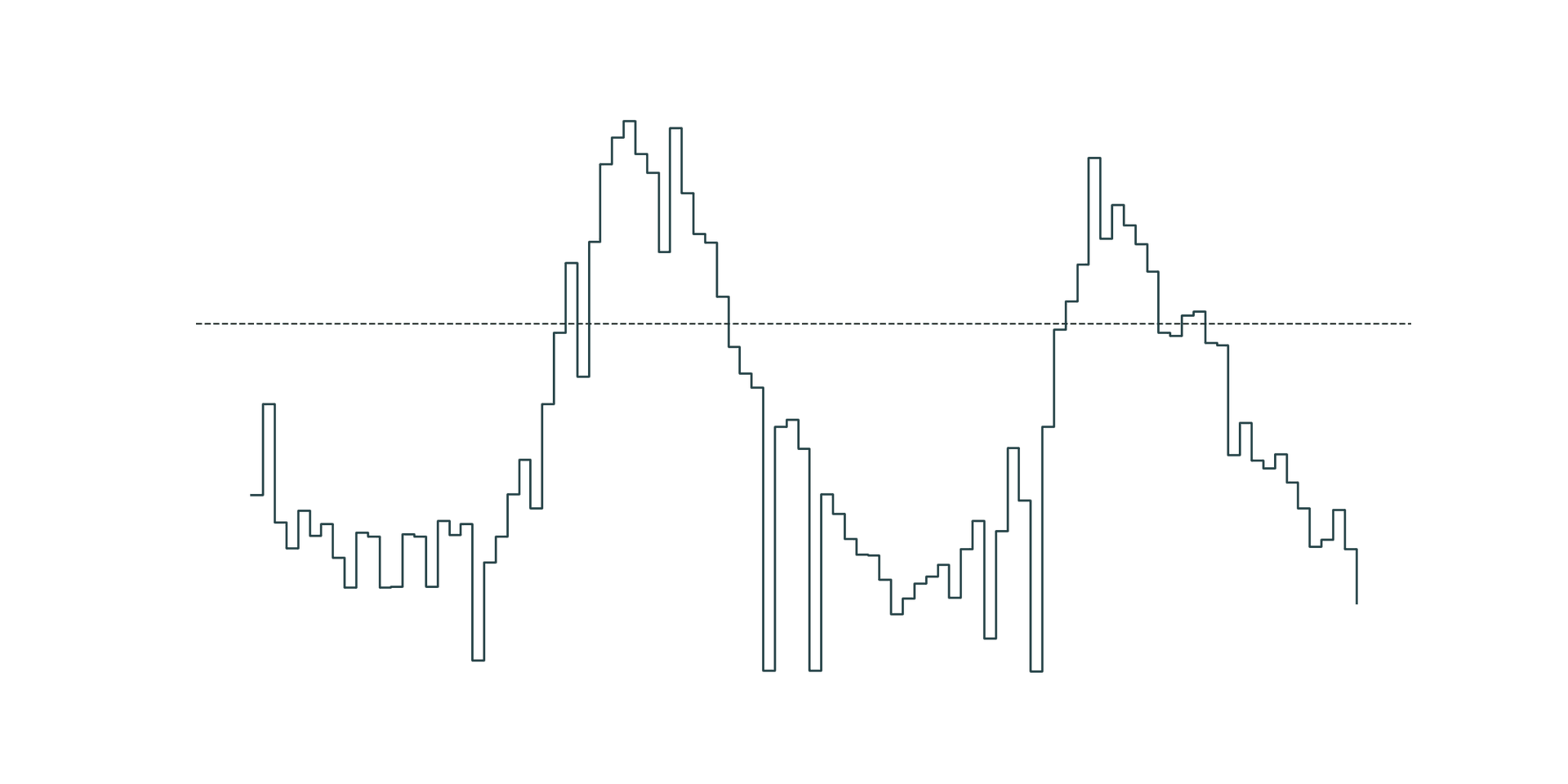
As the share of renewables grows, periods of very low power prices occur regularly. In those windows heat is generated electrically, as soon as power is cheaper than gas.

Day-ahead price curve with windows of cheap power

Short-term price moves

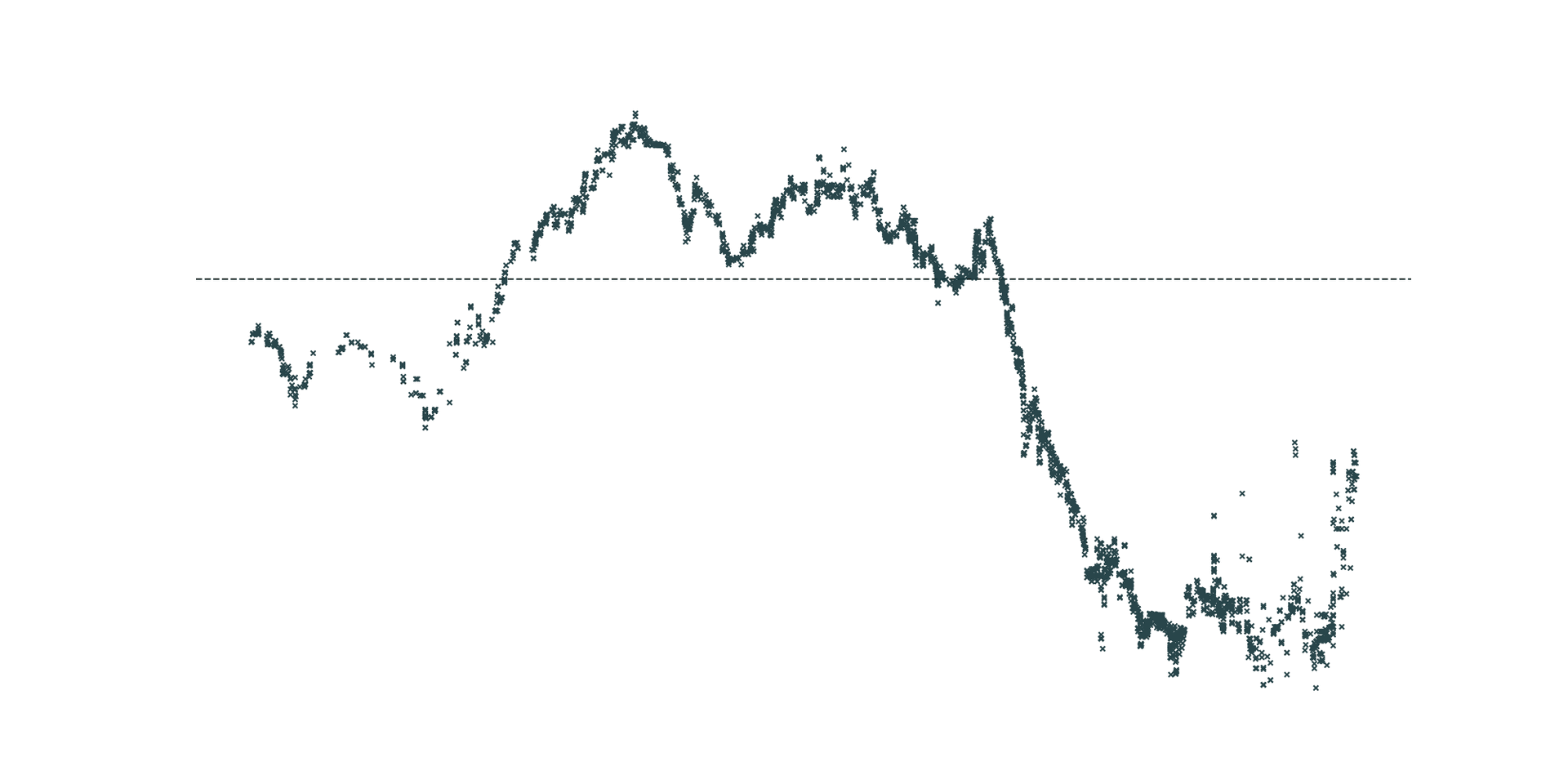
In intraday trading, power prices move at short notice, through weather and forecast changes for instance. That volatility opens up additional revenue. Celsio adjusts heat generation dynamically and captures the short-term spreads.

Intraday price movement within a delivery period

Stabilizing the grid

By taking part in the balancing markets, flexible heat systems can help stabilize the grid and are paid for doing so. Celsio uses AI to work out when selling into the secondary balancing market is worth it.

Secondary balancing power dispatched over time
Step 3: AI-based optimization

What we run for you, day to day

AI-based cross-market optimization

We use AI to forecast the revenue available on every market and derive the optimal trading strategy for each flexible asset from it, re-decided every second. Forecasts for heat and power demand, and regulatory items such as atypical grid use, are priced in, and the monitoring dashboard shows you schedules and operating data at any time.

Automated control

Celsio adjusts output automatically to the market, connected over established interfaces such as Modbus and encrypted end to end. You can report unavailability at any time and, where safety is at stake, simply override our signal.

Seamless market access

As an electricity supplier with its own balancing group, Celsio buys the power for your electric boiler on the day-ahead, intraday and balancing markets and aligns every trading decision with heat generation. Your plant becomes a flexible energy asset rather than a pure consumer, with no added operational complexity.

Ready to rethink your process heat?

Tell us about your site. We would be glad to hear from you.

Book a call