
Process heat:
from a cost driver
to a revenue stream.
As a licensed electricity supplier, we monetize the flexibility of your existing heat generation and extend it with an electric boiler.
Backed by








72 % of industrial process heat still runs on fossil fuels, while gas prices, carbon costs and grid fees keep rising.
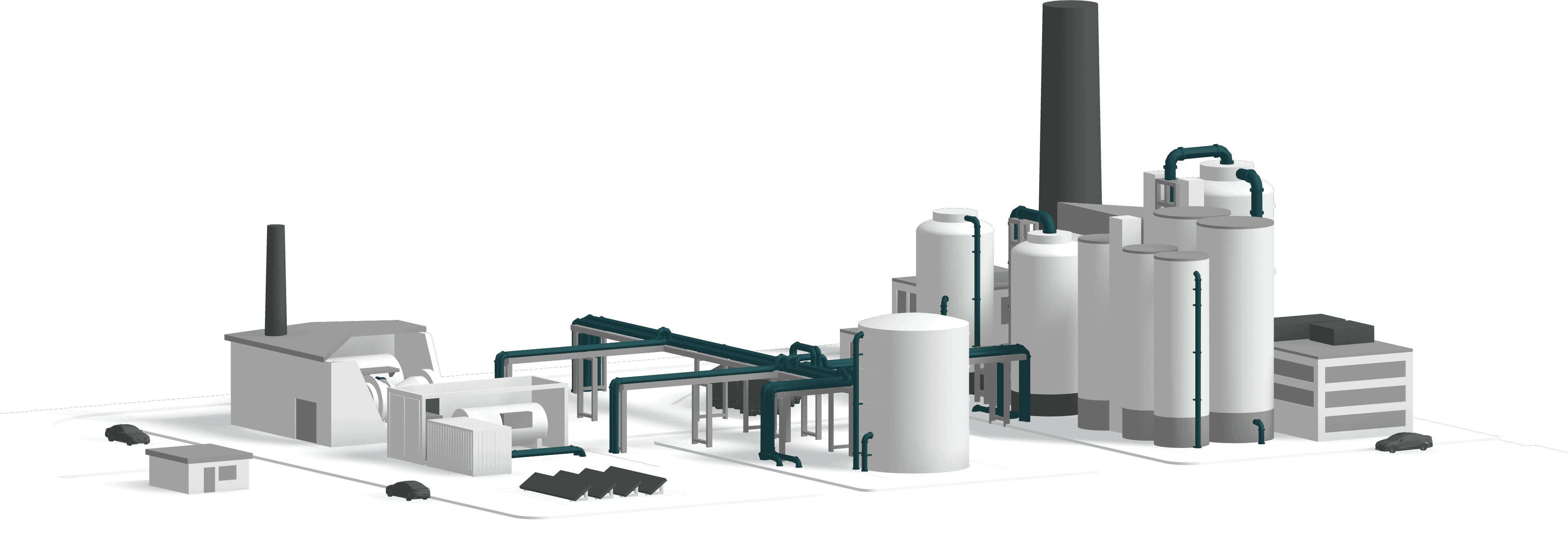
We buy your power whenever it is cheaper than the fuel you burn today …
… capture the short-term price movements along the way …
… and dispatch your heat generation accordingly.
That is how we cut your heat costs. Sustainably.
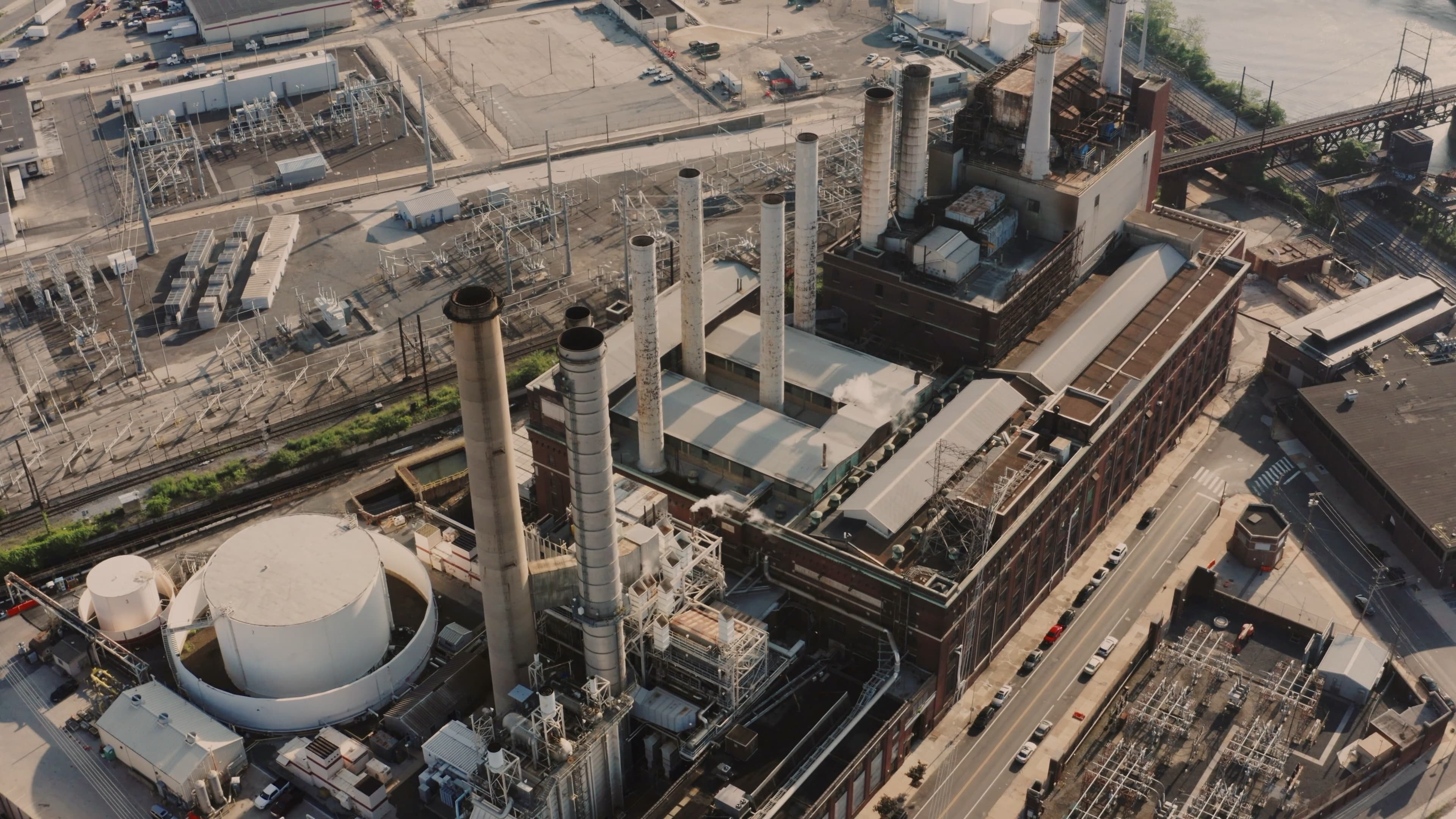
A hybrid heat system that optimizes every second
Heat generation
We make your heat generation flexible, using the plant you already have and adding what it needs.
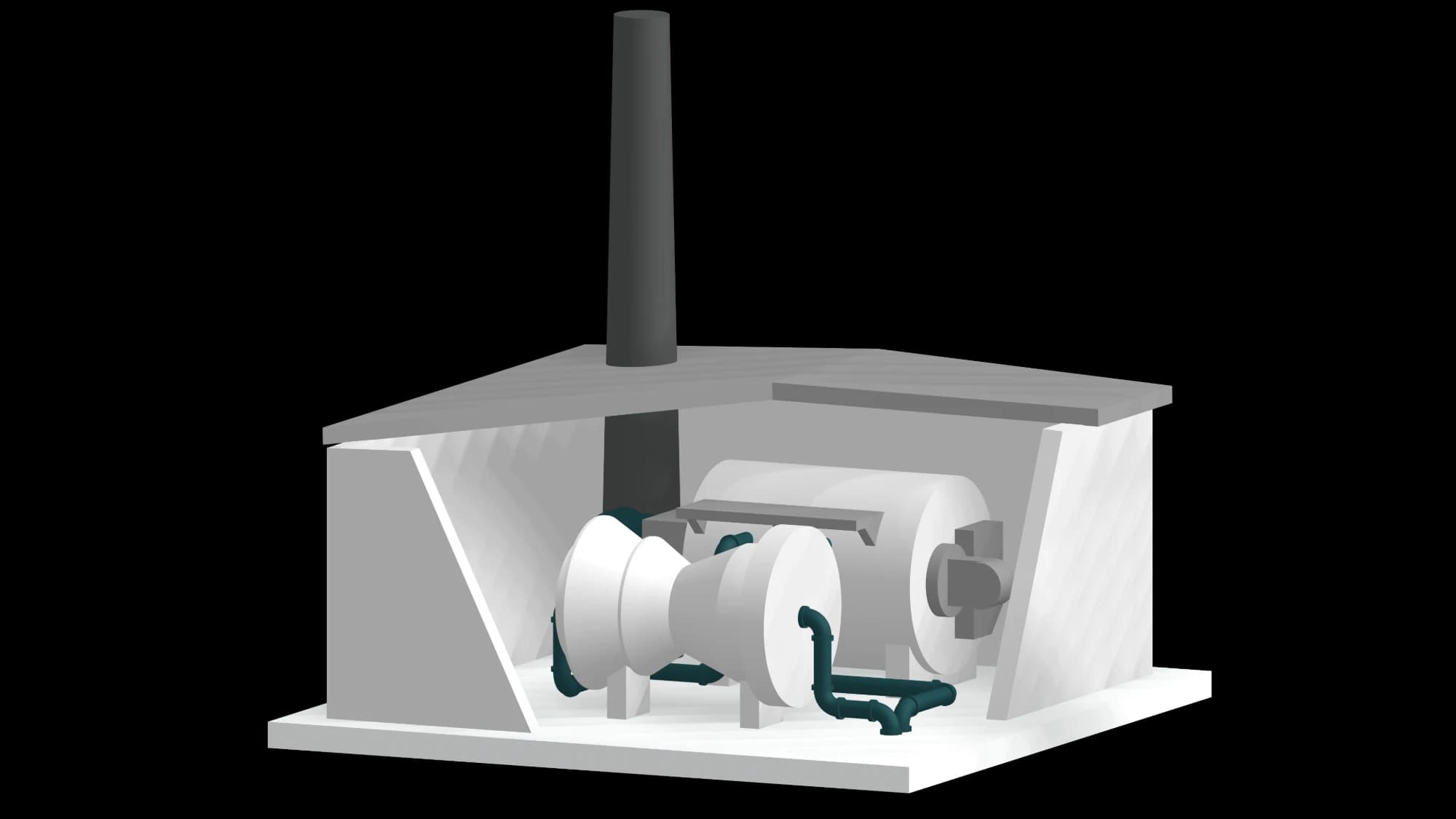
CHP plants
We get the most out of your existing gas and steam turbines by dispatching them against the power markets.
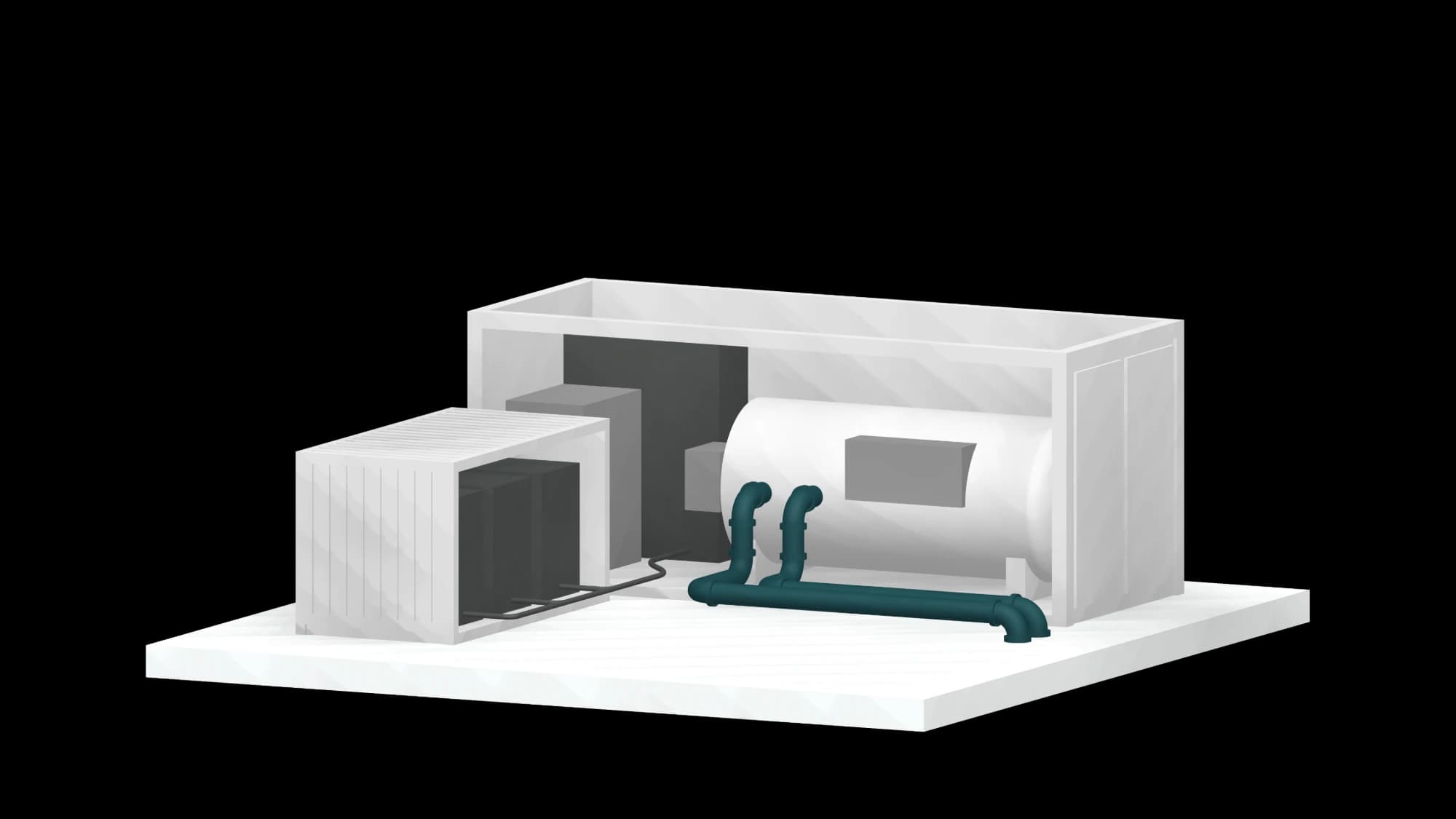
Power-to-heat
An electric boiler complements your existing generation and turns cheap electricity into process heat.
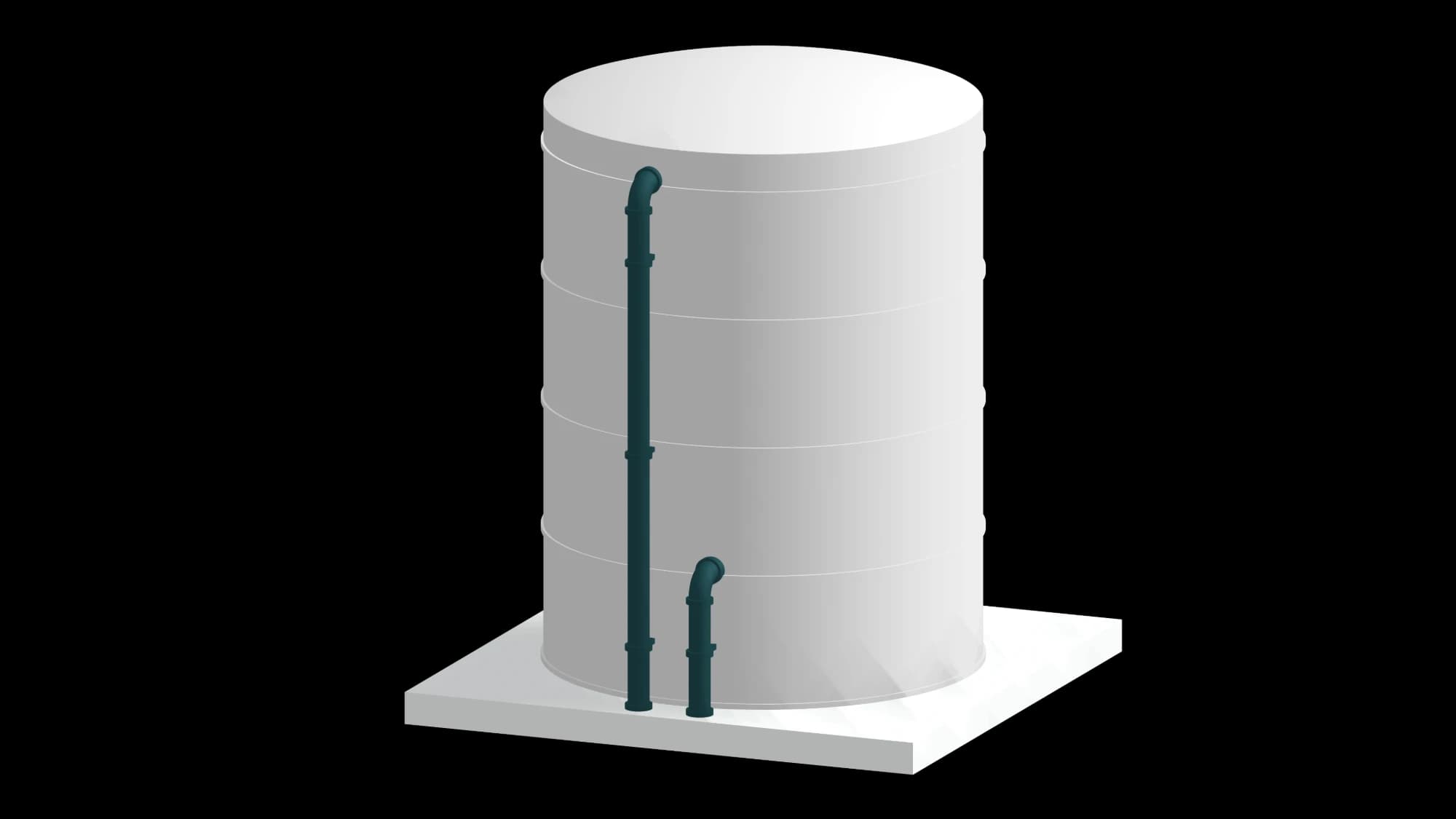
Storage
Thermal storage and batteries let you use cheap power even when there is no immediate demand for heat.
Power and balancing markets
We take over power procurement and market access for your flexible heat generation.
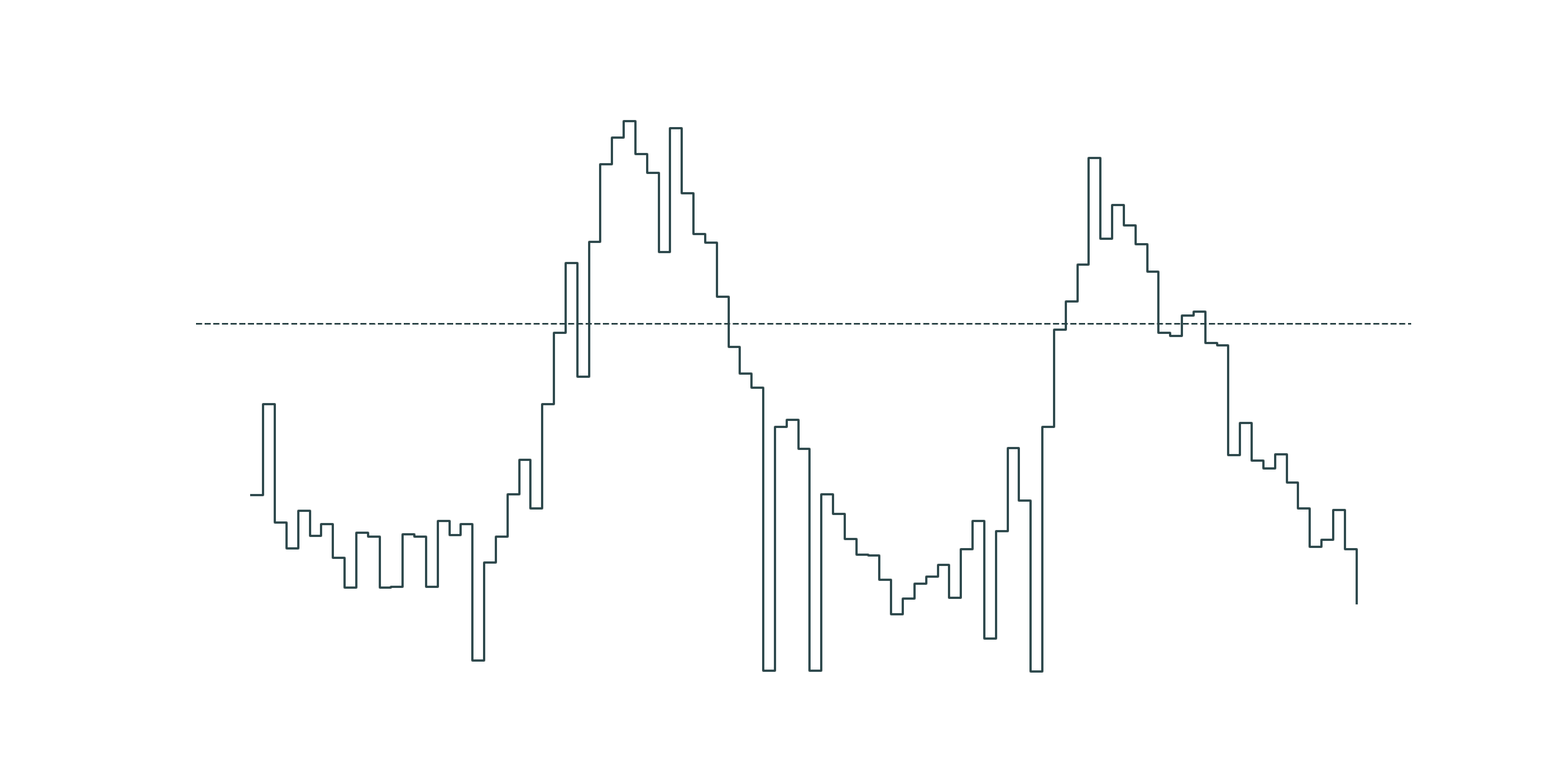
Day-ahead
Renewables push power prices very low on a regular basis. In those hours we generate your heat electrically.
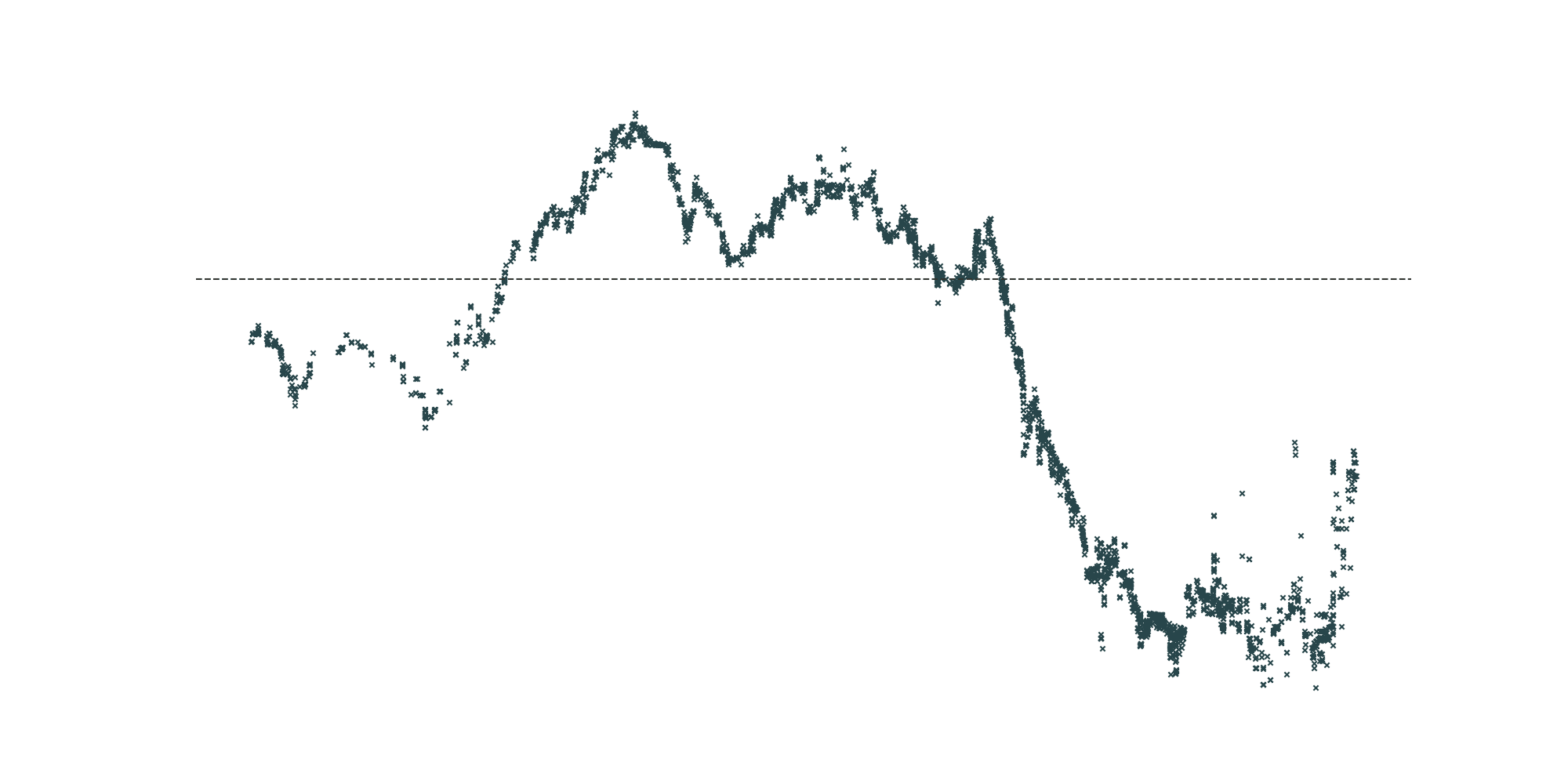
Intraday
Forecast and weather changes move prices at short notice. We adjust generation and capture the spreads.

Balancing power
Flexible heat systems help stabilize the grid and are paid for it whenever the economics work.
Ready to rethink your process heat?
Tell us about your site. We would be glad to hear from you.
We already have an electric boiler. Is Celsio still worth it?
Yes, and often more so. Existing electric boilers usually run to a fixed schedule or sit there as back-up. The asset is idle instead of earning, and that is exactly where the opportunity is.
We bring your existing boiler into our control system, buy the power across the day-ahead, intraday and balancing markets, and run it whenever it beats gas on price. With no new hardware, that is the fastest route to a measurable result.
From there the system can be extended step by step: another boiler stage, thermal storage, a larger grid connection. Each step covers more of your heat load, and each one pays for itself. You do not have to electrify everything at once; you can follow the business case.
What temperatures does Celsio cover?
The commercial sweet spot is between 100 and 500 °C, where steam, hot water and thermal oil systems operate. That covers most industrial process heat.
Where usable waste heat is available, we add a high-temperature heat pump up to around 200 °C, which turns one kilowatt-hour of power into two to four kilowatt-hours of heat. Above 500 °C we look at each case individually, so please get in touch.
Are thermal or electrical storage systems considered?
Yes, as an option. Thermal storage decouples generation from consumption: heat is produced in cheap price windows and drawn down later. That raises the share of electrification considerably and opens up the balancing markets.
At sites with their own generation, a battery can be added as well. Whether storage pays depends on the load profile and the price spreads, and we put a number on that in the feasibility project rather than assuming it.
Who is our electricity supplier then?
For the electric boiler, Celsio. We take on procurement, the balancing group and market access for that consumption specifically. It is part of the business model: it is the only way the revenue from flexibility can be captured.
Your existing supply contract for the rest of the site is untouched. There is nothing to cancel and nothing to switch.